Your home’s crawl space is often out of sight and out of mind. However, it plays a critical role in your home’s structural integrity, indoor air quality, energy efficiency, and overall longevity. Tulsa’s unique soil conditions, clay-rich soils, seasonal rainfall, and humidity make crawl space issues especially common for area homeowners. Ignoring the early warning signs can turn small, inexpensive repairs into major foundation or structural fixes.
This comprehensive guide dives deep into the top signs that your Tulsa home needs crawl space repair, explains why these issues occur, and provides expert guidance on why timely action is crucial to protecting your home’s value and your family’s health.
Why Crawl Space Health Matters
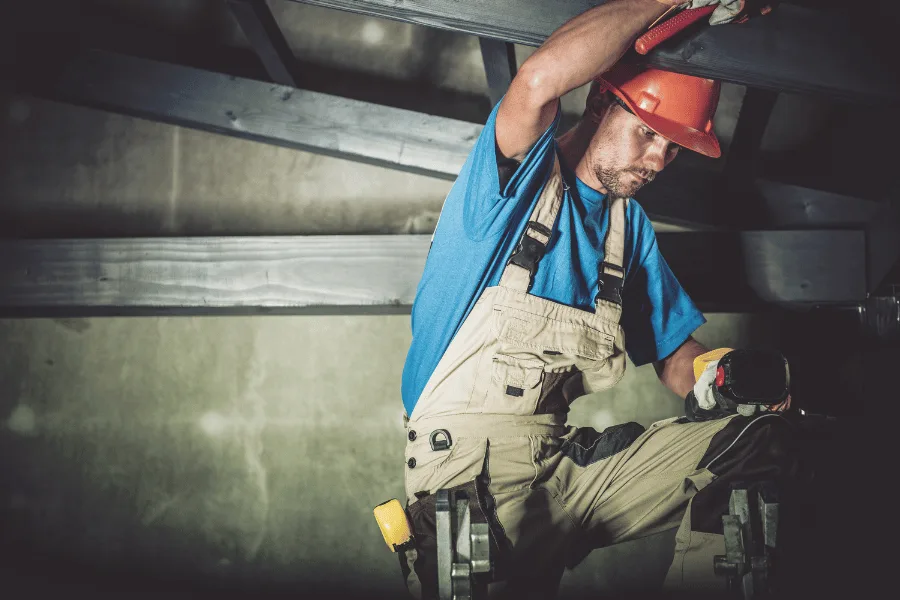
Many homeowners underestimate the importance of crawl spaces. It’s not just an empty area beneath your floors, it’s part of your foundation system, supporting structural elements like beams and joists. Crawl space health also affects indoor air quality, temperature control, energy bills, and even pest management.
In Tulsa, crawl spaces are particularly vulnerable due to:
- Clay-rich soils that expand and contract with moisture
- Frequent rainfall and storms leading to water pooling
- High humidity levels, especially in spring and summer
Ignoring crawl space problems can result in serious consequences such as:
- Moisture buildup and mold growth
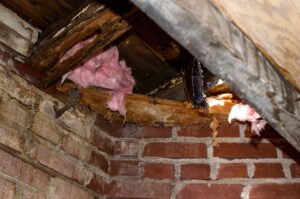
- Wood rot and weakened structural supports
- Pest infestations
- Poor indoor air quality
- Increased energy bills
Regular inspections and timely repairs can prevent these problems and preserve the value of your home.
Top Signs Your Home’s Crawl Space Needs Repair
Below is a detailed look at the most common indicators, including symptoms that might appear inside your home, signaling that your crawl space needs professional attention.
-
Persistent Musty Odors or Indoor Smells
One of the most common early signs of crawl space problems is a musty, earthy, or moldy odor inside your home. This odor is often caused by moisture accumulation and mold growth in the crawl space.
- Mold spores can rise through vents, floor cracks, and HVAC systems into your living spaces.
- Odors can linger even after cleaning or air fresheners, indicating an ongoing moisture problem.
Tip: If your home suddenly smells musty after heavy rain, it may indicate water intrusion in the crawl space.
-
Moisture or Standing Water in the Crawl Space
Visible water, damp soil, condensation on surfaces, or persistent ground moisture is a clear sign that your crawl space needs attention. Moisture can originate from:
- Groundwater seepage
- Improper drainage or grading around your foundation
- Plumbing leaks
- Lack of vapor barriers or insulation
Consequences of Moisture:
- Wood rot and structural weakening
- Mold and mildew growth
- Attraction of pests like termites and rodents
Visual Tip: If you see puddles, water stains, or mud in your crawl space, it’s time to call a professional.
-
High Indoor Humidity & Condensation
Excess humidity in your home may indicate crawl space issues. Warm, moist air from the crawl space can rise into your living areas, causing condensation on windows, walls, or pipes.
High humidity can result in:
- Allergies and respiratory irritation
- Condensation damage to drywall, wood, and metal surfaces
- Accelerated growth of mold and mildew
Tip: Keep an indoor hygrometer to monitor humidity levels. If indoor humidity exceeds 50–60%, inspect your crawl space for moisture problems.
-
Visible Mold or Mildew Growth
Mold is not only unsightly but also dangerous for your health. If you notice mold on crawl space walls, wooden beams, insulation, or stored items, the environment is too damp and requires immediate remediation.
Health risks associated with mold:
- Allergic reactions and asthma flare-ups
- Respiratory infections or irritation
- Damage to wooden structural elements
Tip: Don’t attempt to clean mold without professional guidance, as this can release spores into your home.
-
Sagging, Uneven, or Bouncy Floors
One of the most noticeable signs inside your home is floors that feel soft, uneven, or bouncy. This usually points to structural damage in the crawl space, such as compromised joists or beams weakened by moisture or wood rot.
- Wooden supports in damp crawl spaces can gradually lose strength.
- Minor sagging can progress into serious safety risks if ignored.
Tip: Floors that bounce or creak excessively are a warning that professional inspection is necessary.
-
Cracks in Walls, Drywall, or Foundation
Cracks in your walls, drywall, or foundation often indicate uneven settling or structural shifts, which may begin in the crawl space.
- Horizontal cracks or stair-step patterns are especially concerning.
- Cracks can worsen over time if the underlying moisture or foundation problem isn’t addressed.
Tip: Document cracks with photos to monitor changes and share them with a professional.
-
Windows & Doors That Stick
Doors and windows that stick, fail to close properly, or show gaps can signal structural shifts originating in the crawl space.
- Uneven settling of the foundation causes frames to misalign.
- Improperly operating doors and windows can reduce energy efficiency and comfort.
-
Increase in Pest Activity
Crawl spaces provide an ideal environment for pests, especially when damp and unsealed. You may notice:
- Rodents, ants, termites, or spiders
- Damage to insulation or wiring
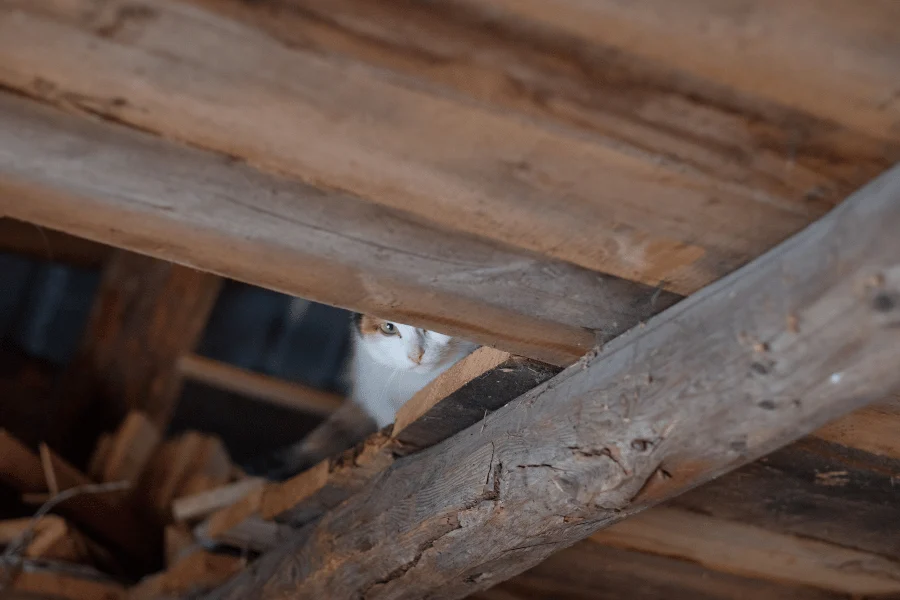
- Nests or droppings in the crawl space
Tip: Pest infestations are often a symptom of larger moisture or structural issues.
-
Rising Energy Bills
If your heating or cooling costs rise without a change in usage, it could indicate poor insulation, air leaks, or excess crawl space moisture forcing your HVAC system to work harder.
- Moist air is harder to heat or cool, leading to inefficiency
- Energy loss often signals gaps in insulation or vapor barriers
Tip: Crawl space encapsulation can significantly reduce energy costs and improve indoor comfort.
-
Poor Insulation & Temperature Imbalance
A failing crawl space may lack proper insulation or have air leaks, resulting in:
- Uneven indoor temperatures
- Cold floors in winter
- Hot, humid spaces in summer
Proper insulation and sealing are essential to maintain comfort and reduce energy consumption.
Crawl Space Problem Symptoms Table
| Crawl Space Symptom | What It Means | Possible Consequences |
| Musty Odors | Moisture & mold | Poor air quality, health risks |
| Standing Water | Drainage / leaks | Rot, structural weakening |
| Sagging Floors | Structural damage | Safety risk, costly repairs |
| Visible Mold | High humidity | Health problems, spread |
| Pest Signs | Entry & habitat | Damage to insulation, wiring |
| Cracks in Walls | Foundation shifting | Further structural stress |
| High Energy Bills | Poor insulation | Higher energy costs |
| Sticking Doors/Windows | Foundation movement | Reduced comfort, gaps |
| Temperature Imbalance | Insulation failure | Uneven heating/cooling |
Why Early Crawl Space Repair Matters
Ignoring crawl space issues can lead to a cascade of expensive problems:
- Structural Foundation Damage: Moisture and wood rot weaken supports, potentially leading to foundation failure.
- Health & Air Quality Risks: Mold spores and damp air circulate into living areas, causing respiratory problems.
- Higher Utility Costs: HVAC systems work harder to compensate for temperature fluctuations.
- Reduced Home Value: Structural or mold issues can lower property resale value.
Addressing problems early saves money, prevents damage, and ensures a safe living environment.
Common Crawl Space Repair Solutions
Professional inspections may recommend:
- Vapor Barriers / Encapsulation – Long-term moisture control to prevent mold growth.
- Drainage Installation – Sump pumps and French drains redirect water away from the crawl space.
- Dehumidification Systems – Control humidity year-round and reduce mold risk.
- Structural Support & Reinforcement – Joist repairs, steel piers, or beam reinforcement for weakened foundations.
- Insulation Upgrades – Prevent temperature imbalances and energy loss.
These solutions protect both your crawl space and your overall home.
Signs Your Tulsa Crawl Space Troubles Start Affecting Your Living Space
Sometimes crawl space problems manifest inside your home, including:
- Warped hardwood or tile floors
- Increased allergy or asthma symptoms
- Condensation on ducts or flooring
- Misaligned doors, cabinets, or windows
If you notice these issues, your crawl space may require immediate professional attention.
Frequently Asked Question
What are common signs that a crawl space needs repair?
Persistent moisture, mold, musty odors, standing water, sagging floors, and pests indicate crawl space problems.
Can crawl space issues affect indoor air quality?
Yes, excess moisture and mold can circulate through your home, lowering indoor air quality.
Is crawl space repair expensive?
Costs vary widely depending on damage severity, but early detection often reduces repair expenses.
How often should crawl spaces be inspected?
Annual inspections or after extreme weather help catch problems early.
Can homeowners prevent crawl space issues?
Yes, proper drainage, vapor barriers, insulation, and regular maintenance significantly reduce risks.
Conclusion
Crawl spaces are often overlooked, but they are essential to your home’s structural integrity and indoor comfort. In Tulsa, where soil and humidity conditions can accelerate problems, early detection is critical. Persistent musty odors, moisture, mold, uneven floors, cracks, pests, and rising energy bills are all warning signs that your crawl space needs repair.
Regular inspections, moisture control, structural reinforcement, and professional remediation can prevent costly damage and safeguard your home and family. If any of these signs are present in your home, it’s time to contact a trusted crawl space repair professional in Tulsa to ensure your home remains safe, healthy, and energy-efficient.