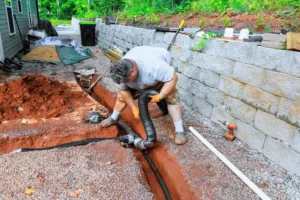
A house is only as strong as the foundation it stands on. The foundation is the structural base that supports the entire building and keeps it stable over time. When the foundation is strong and well maintained, the home remains safe, balanced, and durable for many years. However, when foundation problems develop and are ignored, they can lead to serious structural damage. This is why foundation repair is essential for maintaining long-term home stability.
Many homeowners focus on interior upgrades such as painting, flooring, or kitchen renovations, but the condition of the foundation is far more important. Even small foundation issues can gradually grow into major problems that affect the entire structure of the house. Addressing these problems early through professional foundation repair can prevent costly damage and protect the value of the property.
Understanding the Role of a Home’s Foundation
The foundation acts as the support system of a building. It distributes the weight of the structure evenly across the ground and keeps the home level. A properly built foundation ensures that walls, ceilings, windows, and doors remain aligned and functional.
Foundations are designed to withstand pressure from the building above and environmental changes in the surrounding soil. However, various factors can weaken the foundation over time. Soil expansion, moisture changes, poor drainage, and natural ground movement can all contribute to foundation damage.
When the soil beneath a home shifts or settles unevenly, it can cause the foundation to crack, sink, or become unstable. This movement can eventually affect other parts of the house, including floors, walls, and roofing structures.
Common Causes of Foundation Damage
Understanding what causes foundation problems can help homeowners take preventive measures and address issues early. Some of the most common causes of foundation damage include:
1. Soil Movement
Soil constantly expands and contracts depending on moisture levels. When soil absorbs water, it expands, and when it dries, it shrinks. This repeated movement can create pressure on the foundation and lead to cracks or uneven settling.
2. Poor Drainage
Improper drainage around a home can cause water to accumulate near the foundation. Excess moisture weakens the soil and can cause the foundation to shift or sink.
3. Plumbing Leaks
Hidden plumbing leaks beneath a house can slowly erode the soil supporting the foundation. Over time, this weakens the base and causes structural movement.
4. Tree Roots
Large trees planted close to a house can affect the foundation. Tree roots absorb large amounts of water from the soil, which can cause the soil to shrink and create instability around the foundation.
5. Natural Settling
All buildings experience some level of natural settling over time. However, excessive or uneven settling may indicate a serious foundation issue that requires professional attention.
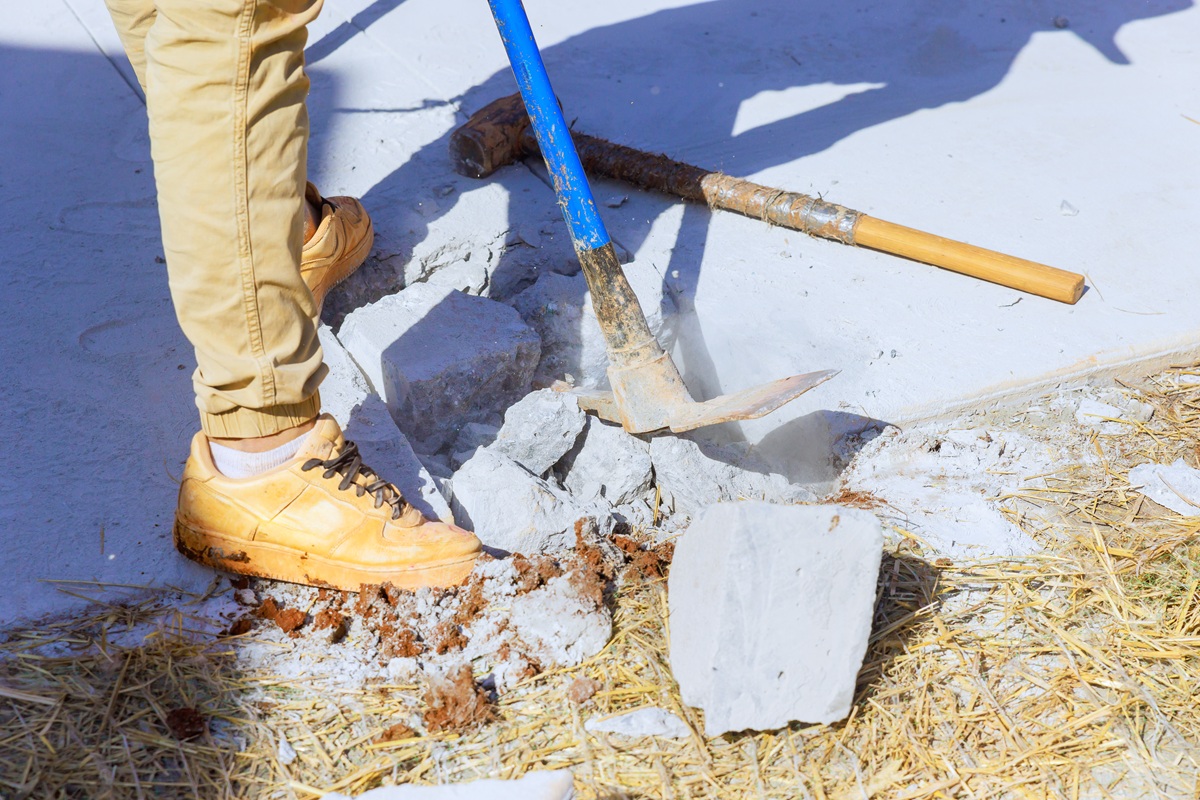
Warning Signs of Foundation Problems
Foundation damage often starts with small warning signs that homeowners may overlook. Recognizing these signs early can help prevent more serious structural issues.
Some common indicators of foundation problems include:
-
Cracks appearing in interior or exterior walls
-
Uneven or sloping floors
-
Doors and windows that stick or do not close properly
-
Gaps between walls and ceilings
-
Cracks in the foundation or basement walls
-
Water pooling around the base of the home
-
Separation between bricks or siding
If these signs appear, it is important to have the foundation inspected by a professional contractor.
Why Foundation Repair Is Important
Foundation repair plays a critical role in protecting the structural integrity and long-term stability of a home. Ignoring foundation issues can lead to severe structural damage and costly repairs.
Protects the Structure of the Home
A damaged foundation weakens the entire structure of a house. When the foundation shifts or cracks, it affects the stability of walls, floors, and roofing systems. Repairing the foundation restores balance and strength to the building.
Prevents Further Structural Damage
Foundation issues rarely remain the same. They typically worsen over time if left untreated. Early repair helps prevent additional damage to walls, ceilings, plumbing systems, and electrical installations.
Maintains Property Value
A home with foundation problems can lose a significant portion of its market value. Potential buyers often avoid properties with structural concerns. Repairing the foundation helps maintain the value of the home and makes it easier to sell in the future.
Improves Home Safety
Structural instability can create safety risks for homeowners and occupants. Cracked walls, shifting floors, and unstable foundations can lead to accidents or structural collapse in extreme cases. Foundation repair ensures that the home remains safe and secure.
Reduces Long-Term Repair Costs
Many homeowners delay foundation repairs because they are concerned about the cost. However, ignoring the problem usually leads to more expensive repairs later. Early intervention can prevent major structural reconstruction and reduce overall maintenance costs.
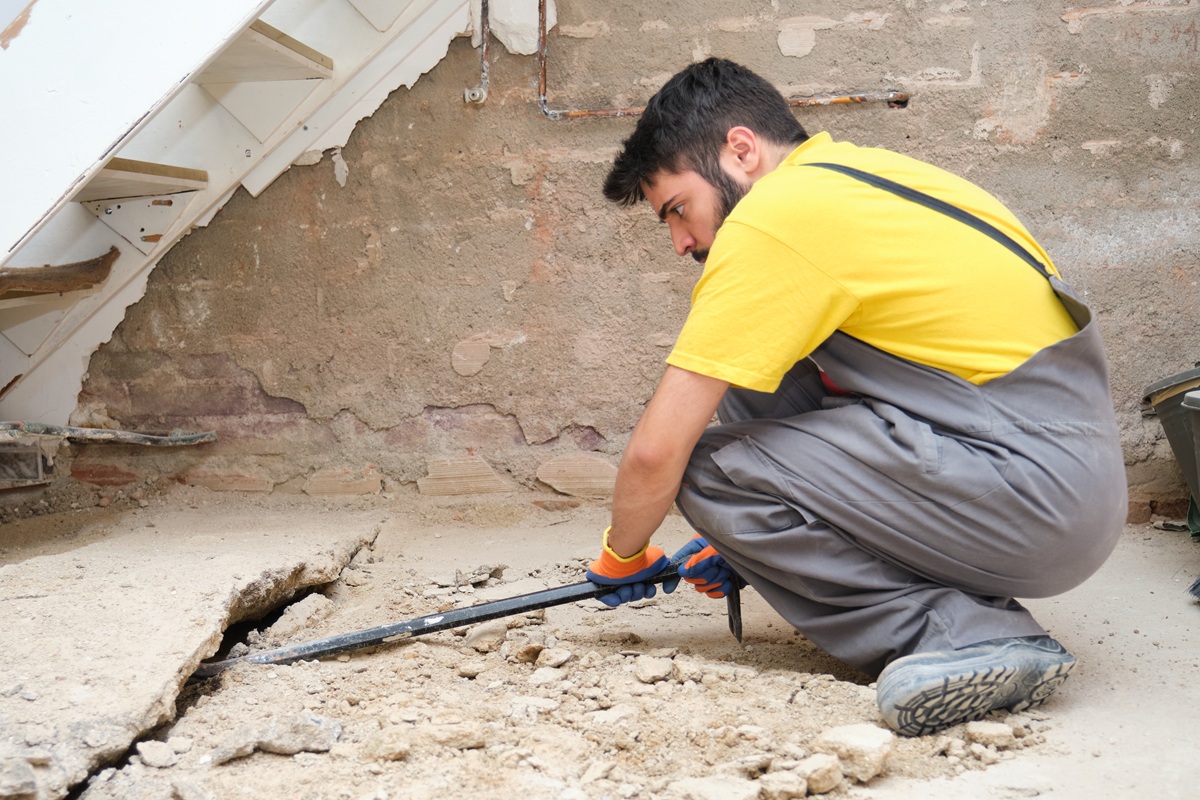
Common Foundation Repair Methods
Professional contractors use different repair techniques depending on the type and severity of the foundation problem. Some of the most commonly used methods include:
Piering or Underpinning
This method involves installing steel or concrete piers deep into the ground beneath the foundation. These piers provide additional support and help lift the foundation back to its original level.
Slab Jacking
Slab jacking is used to raise sunken concrete slabs. A special mixture is injected beneath the slab to fill empty spaces and lift the foundation.
Crack Repair
Small foundation cracks can be repaired using epoxy or polyurethane injections. These materials seal the cracks and prevent water from entering the foundation.
Drainage Solutions
Improving drainage around the house helps control water accumulation near the foundation. This may include installing proper gutters, downspouts, or foundation drainage systems.
Preventing Future Foundation Problems
Although foundation repair is effective in fixing structural issues, homeowners should also take preventive measures to avoid future damage.
Some helpful prevention tips include:
-
Maintain proper drainage around the house
-
Ensure gutters and downspouts direct water away from the foundation
-
Avoid planting large trees too close to the house
-
Check for plumbing leaks regularly
-
Maintain consistent soil moisture levels around the property
-
Schedule periodic foundation inspections
Taking these steps can significantly reduce the risk of foundation damage and extend the life of the structure.
Long-Term Benefits of Timely Foundation Repair
Timely foundation repair provides several long-term benefits for homeowners. It not only protects the structure but also improves comfort and peace of mind.
Some major benefits include:
-
Increased structural stability
-
Improved indoor comfort and reduced structural noise
-
Protection against water damage
-
Higher property resale value
-
Reduced maintenance costs in the future
A well-maintained foundation ensures that the home remains strong, safe, and comfortable for many years.
Conclusion
Foundation repair is one of the most important aspects of maintaining a home’s structural health. A stable foundation supports the entire building and protects it from serious damage caused by soil movement, moisture changes, and natural settling. Ignoring foundation problems can lead to expensive repairs and safety risks in the future.
Homeowners who pay attention to early warning signs and invest in timely foundation repair can protect their property and ensure long-term stability. Regular inspections, proper drainage, and preventive maintenance can also help keep the foundation strong and reliable.