Basement water issues are among the most common and potentially costly problems homeowners face. Persistent dampness, wet floors, foundation cracks, and musty odors are signs that your home’s waterproofing strategy may be failing. One of the most effective solutions, foundation drainage systems, is often the centerpiece of any long-term waterproofing plan. Understanding how these systems work, why they matter, and how to maintain them is crucial for every homeowner, especially those dealing with frequent rainfall or high groundwater levels.
This complete informational guide will help you understand foundation drainage systems from the ground up, including terminology, installation options, benefits, maintenance, and how they work in preventing basement water intrusion.
What Is a Foundation Drainage System?
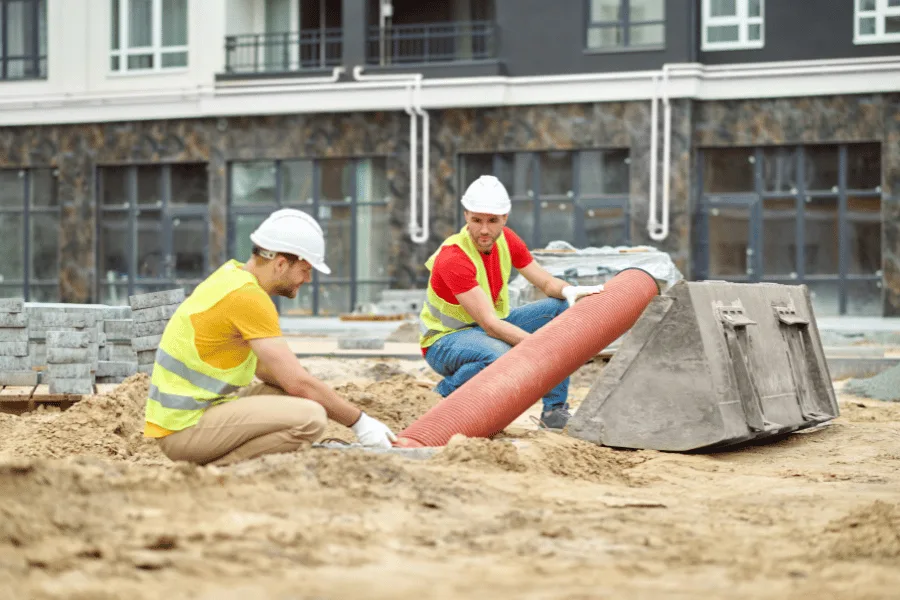
A foundation drainage system is a network of drains, pipes, and sometimes pumps that collects excess groundwater and surface runoff around a home’s foundation and redirects it safely away from the structure. This system prevents water from accumulating against foundation walls, which can lead to leaks, structural damage, mold growth, and interior flooding.
Without a proper drainage solution, rainwater or subsurface water builds up near the foundation and increases hydrostatic pressure, the force water exerts on surfaces buried in the ground.
Why Basement Water Problems Occur
Before diving into drainage solutions, it’s important to understand why water reaches your basement:
Common Causes of Basement Water Issues
- Poor surface drainage — Rainwater pooling around your foundation due to inadequate grading or clogged gutters can easily seep into the basement.
- High groundwater table — Water naturally rises in soil and presses against foundation walls. Homes built in areas with a high water table are more susceptible.
- Hydrostatic pressure — Saturated soil pushes water through small cracks or porous concrete. Even minor cracks can allow significant water penetration.
- Insufficient downspouts — Water discharged too close to the house seeps into the soil surrounding the foundation, increasing moisture levels.
- Clogged or damaged existing drains — Over time, drainage systems may fail due to sediment buildup, root intrusion, or structural damage, allowing water to pool near the foundation.
These problems can lead to damp or musty basements, mold growth, shifting foundations, and even structural settlement if left unmanaged.
How Foundation Drainage Systems Work
At its core, a foundation drainage system uses gravity and engineered pathways to channel water away from your home:
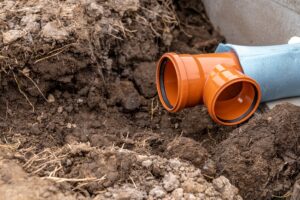
- Collection – Perforated pipes or drain tiles positioned at the base of foundation walls or just outside the perimeter capture rising groundwater.
- Channelling – The collected water drains into a central pathway, often aided by gravel and filter fabric to prevent clogging.
- Removal – Interior systems usually carry the water to a sump pit, where a sump pump ejects it outside the home to a safe discharge point.
- Surface diversion – Exterior solutions often slope pipes to direct water downhill or toward storm drains.
The job of a drainage system is not just to move water,it’s to move it before it causes damage. By adequately managing water at and below the surface, these systems stop water infiltration and dramatically reduce basement moisture issues.
Types of Foundation Drainage Systems
Different homes and water challenges call for different drainage solutions. Below is a breakdown of the most common systems:
| System Type | Best For | Pros | Cons |
| Exterior Drain Tile System | New construction or major renovation | Stops water before it contacts foundation | Expensive, invasive landscaping |
| Interior Drain Tile System | Finished basements needing retrofits | Less disruptive, easier maintenance | Allows water to enter before removal |
| French Drain (Surface) | Surface water runoff around yard | Inexpensive, reduces surface saturation | Doesn’t address deep groundwater |
| Sump Pump System | High water table, limited slope | Actively removes water, effective | Needs power, periodic maintenance |
Exterior Drain Tile System
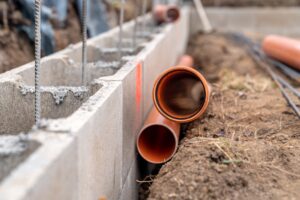
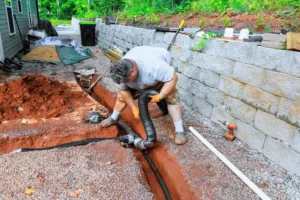
The exterior drain tile system is considered the most effective approach to managing foundation water. Perforated pipes are installed around the home’s perimeter at footing level. A layer of gravel and filter fabric ensures water flows easily into the pipes while preventing soil and debris from clogging the system. The water then travels downhill or to a designated discharge point far from the foundation.
Pros: Handles large volumes of water and reduces hydrostatic pressure before it reaches the foundation walls.
Cons: Costly and requires excavation, which can disrupt landscaping and outdoor structures.
Interior Drain Tile System
An interior drain tile system is typically installed along the perimeter of the basement’s interior. It captures water that has already seeped through walls or floors, directing it to a sump pump that expels it away from the foundation. This method is popular for retrofitting finished basements without disturbing the exterior landscape.
Pros: Great for finished basements; less invasive than exterior systems.
Cons: Doesn’t prevent initial water intrusion and requires regular sump pump maintenance.
French Drains (Surface Drainage)
French drains are trenches filled with gravel and perforated pipes that intercept surface water and redirect it away from the home. They help prevent surface water from saturating the soil near your foundation, reducing the risk of seepage into the basement.
Pros: Affordable and effective for surface water management.
Cons: Limited in heavy groundwater areas and requires proper grading to function efficiently.
Sump Pump Systems
A sump pump is usually integrated into an interior drainage system. Water drains into a sump pit, and the pump removes it from the basement, directing it far from the foundation. Battery backup systems ensure operation during storms or power outages, making it a critical component in high-risk areas.
Benefits of Installing a Foundation Drainage System
Installing or upgrading a foundation drainage system provides long-term value and peace of mind:
- Prevents Water Intrusion – By giving water a clear pathway away from your foundation, drainage systems significantly reduce the chances of basement leaks and flooding.
- Reduces Hydrostatic Pressure – Proper drainage relieves pressure from saturated soil pushing against basement walls, preventing cracks and structural damage.
- Protects Structural Integrity – Water can erode soil supporting the foundation, leading to settlement or shifting. A drainage system stabilizes the soil and protects your home.
- Prevents Mold and Mildew – Excess moisture is the primary driver of mold growth; drainage systems help maintain a dry environment.
- Enhances Property Value – Homes with effective waterproofing and drainage are more appealing to buyers, often commanding higher resale values.
Installation and Professional Considerations
Installing a foundation drainage system requires precise planning and execution. Professionals assess several factors:
- Existing grading and yard slope – Ground should slope away from the foundation to enhance natural runoff.
- Soil type and water table level – Clay soils retain water longer, requiring more robust solutions.
- Basement finish condition – Finished basements may limit exterior access, making interior drainage systems more practical.
- Permitting and local codes – Local building regulations may govern exterior drain installations, ensuring proper design and safety.
Hiring professionals ensures that the system matches the home’s specific water dynamics, reducing the risk of future leaks.
Maintenance Tips to Keep Systems Working
Even the best drainage systems require ongoing attention:
- Inspect after major rain events to ensure proper water flow and check for pooling.
- Clean gutters and downspouts to prevent overflow into foundation-adjacent soil.
- Check gravel and filter fabric for sediment or root intrusion that may block drainage.
- Test sump pumps annually and maintain battery backups to handle power outages.
- Regrade soil as needed to prevent low spots that could collect water near the foundation.
Regular maintenance extends the life of your system and ensures maximum protection for your basement.
Cost Considerations
Costs for drainage systems vary depending on type, home size, soil condition, and complexity:
- Exterior systems are generally the most expensive due to excavation, piping, gravel, and landscaping restoration.
- Interior systems are more budget-friendly but require sump pumps and occasional inspection.
- French drains are affordable but limited to surface water management.
- Sump pumps are relatively inexpensive but require periodic maintenance and battery replacement.
While installation can be a significant investment, the cost is offset by reduced water damage, repair bills, and increased property value.
Frequently Asked Questions
What is a foundation drainage system?
A system of pipes and drains that collects and directs excess water away from your home’s foundation to prevent leaks.
Why does my basement still get wet with a drainage system?
Water may enter through cracks or be due to inadequate surface grading; professional evaluation can diagnose hidden issues.
How often should I check my drainage system?
At least once a year and after heavy rain to ensure pipes are clear and water flows away properly.
Can I install a drainage system myself?
DIY options exist, like simple French drains, but professional installation provides long-term reliability.
Will drainage stop all basement moisture problems?
Yes for most issues, but additional waterproofing measures may be needed for severe conditions.
Conclusion
Foundation drainage systems are essential for protecting basements from water damage, structural issues, and mold growth. By intercepting water before it enters your home, reducing hydrostatic pressure, and channeling moisture safely away, these systems ensure your foundation remains stable and your basement dry. Whether you choose an exterior drain, interior system, French drain, or sump pump setup, proper design, professional installation, and routine maintenance are key to long-term success. Tulsa Foundation Pros specializes in investing in and installing reliable drainage systems that safeguard your home’s value and enhance your living environment, providing peace of mind for years to come.