Many homeowners rarely think about their crawl space, yet it plays a major role in maintaining the structural stability and overall health of a house. A crawl space is the narrow area located between the ground and the first floor of a home. It often contains plumbing lines, electrical wiring, insulation, and structural supports. When this area is properly maintained, it helps protect the house from moisture damage and improves airflow beneath the structure. However, when problems develop in the crawl space, they can affect many parts of the home, including floors, walls, and indoor air quality.
Over time, crawl spaces can develop issues due to moisture, poor ventilation, foundation shifts, or pest infestations. Because the area is hidden and rarely inspected, these problems may go unnoticed until they begin to affect the living space above. Understanding the warning signs of crawl space damage can help homeowners take action before the situation becomes severe and expensive to repair. Below are some of the most common signs that your home may need crawl space repair, along with practical solutions to fix these problems.
Common Signs Your Crawl Space Needs Repair
Excess Moisture or Standing Water
Moisture is one of the biggest threats to a crawl space. Since the area sits close to the ground, it can easily collect humidity, rainwater, or groundwater. Over time, moisture can seep through the soil or foundation walls and accumulate beneath the home. When moisture remains trapped in the crawl space, it creates a damp environment that encourages mold growth, wood rot, and structural deterioration.
Some common signs of moisture problems include:
-
Damp soil or muddy ground in the crawl space
-
Visible puddles or standing water
-
Condensation on pipes or wooden beams
-
Rust on metal components
-
Mold growth on wood surfaces
Ignoring moisture issues can weaken the structural components of the home and lead to expensive repairs. Fortunately, there are several effective solutions for this problem.
How to Fix It
-
Install a vapor barrier to cover the soil and prevent ground moisture from rising.
-
Improve drainage around the foundation to direct water away from the home.
-
Install a crawl space sump pump if water accumulation is frequent.
-
Use a dehumidifier to control humidity levels inside the crawl space.
These steps help create a dry environment that protects the structural components of the house.
Musty Odors Inside the Home
A strong musty smell inside the house can often be traced back to the crawl space. Mold and mildew thrive in dark and damp conditions, which makes crawl spaces an ideal environment for their growth. When mold develops beneath the house, the unpleasant odor can travel through vents and cracks, eventually spreading into the living areas.
In addition to the unpleasant smell, mold can affect indoor air quality and may cause breathing problems for some occupants. Many homeowners notice the odor more strongly during humid weather or after rainfall.
How to Fix It
To address musty odors coming from the crawl space, several steps may be necessary:
-
Remove any visible mold and treat affected surfaces with professional cleaning solutions.
-
Improve ventilation to allow fresh air to circulate beneath the home.
-
Install crawl space encapsulation to seal the space and prevent moisture entry.
-
Repair leaks from plumbing pipes that may be contributing to damp conditions.
By eliminating moisture and sealing the crawl space, homeowners can greatly improve indoor air quality.
Uneven, Sagging, or Bouncy Floors
Another clear indication that your crawl space may need repair is uneven or sagging floors. The wooden beams and joists located in the crawl space provide support for the entire floor structure above. When these components weaken due to moisture damage, wood rot, or shifting soil, the floors inside the home may begin to sink or feel unstable.
Common signs include:
-
Floors that feel soft or bouncy while walking
-
Visible dips or slopes in certain rooms
-
Furniture that appears slightly tilted
-
Cracks forming in interior walls or ceilings
These issues can worsen over time if the structural supports continue to deteriorate.
How to Fix It
Repairing sagging floors typically involves strengthening the support system beneath the house. Solutions may include:
-
Installing adjustable support jacks to stabilize floor joists
-
Replacing damaged or rotting wooden beams
-
Reinforcing existing support structures
-
Addressing moisture issues that may have caused the damage
Professional crawl space repair specialists can inspect the structure and recommend the most suitable repair method.
Increased Energy Bills
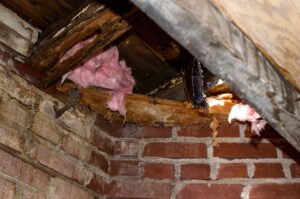
A damaged crawl space can also affect your home’s energy efficiency. Many homes rely on crawl space insulation to maintain comfortable indoor temperatures. When insulation becomes wet, compressed, or damaged, it loses its ability to regulate heat.
As a result, heating and cooling systems must work harder to maintain the desired temperature. This often leads to increased energy bills and reduced comfort inside the home.
Signs of insulation problems may include:
-
Cold floors during winter
-
Higher heating or cooling costs
-
Uneven temperatures between rooms
-
Visible damage to insulation materials
How to Fix It
Improving crawl space insulation can significantly enhance energy efficiency. Homeowners may consider the following solutions:
-
Replacing damaged or wet insulation materials
-
Sealing gaps and cracks that allow outside air to enter
-
Installing insulated crawl space walls
-
Encapsulating the crawl space to create a controlled environment
These improvements help maintain consistent indoor temperatures and reduce energy consumption.
Pest Infestations in the Crawl Space
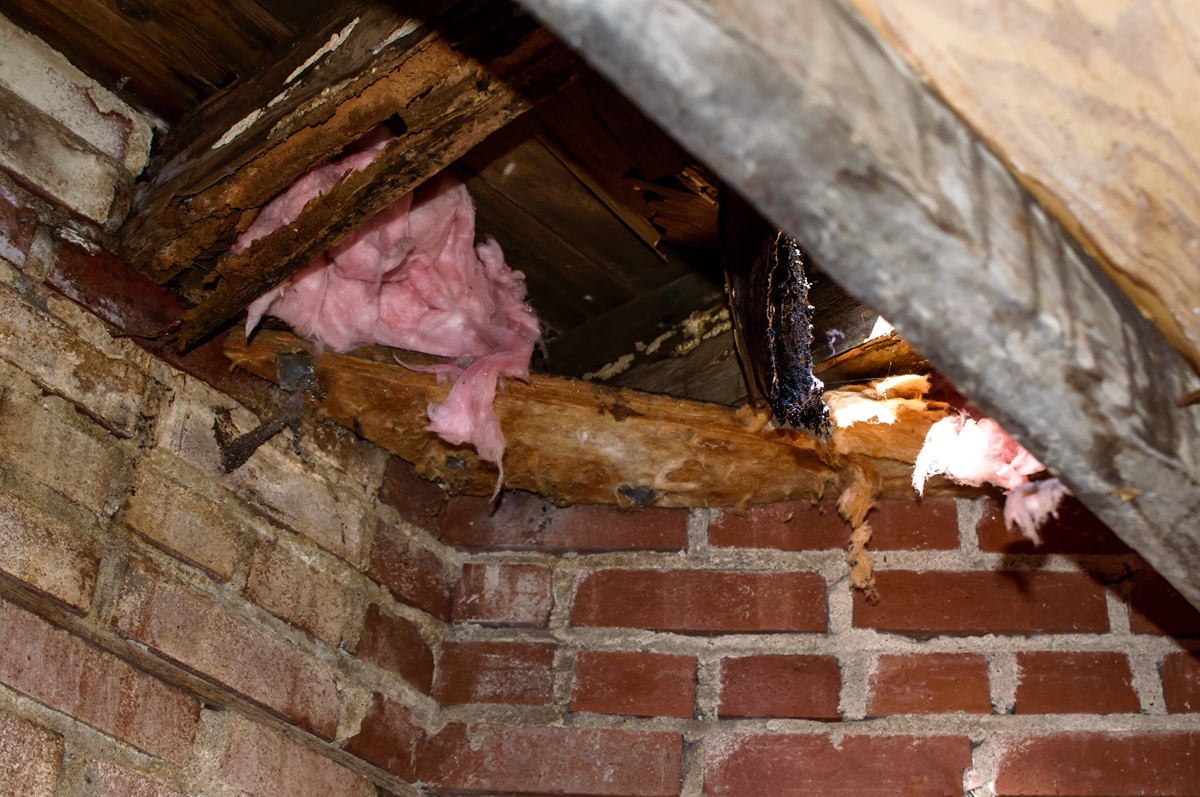
Crawl spaces often attract pests such as rodents, termites, ants, and insects. The dark and humid conditions create an ideal habitat for these unwanted visitors. Unfortunately, pests can cause serious damage to wooden beams, insulation, and electrical wiring.
Signs of pest activity may include:
-
Droppings or nesting materials in the crawl space
-
Chewed wood or insulation
-
Strange noises beneath the floor at night
-
Small openings or holes in the foundation
Termites, in particular, can weaken structural wood and lead to costly repairs if left untreated.
How to Fix It
To prevent pest infestations, homeowners should take the following steps:
-
Seal all gaps, cracks, and openings around the foundation
-
Remove standing water and reduce moisture levels
-
Replace damaged wood or insulation materials
-
Work with pest control professionals to eliminate infestations
Maintaining a clean and dry crawl space makes it much less attractive to pests.
Cracks in the Foundation
Foundation cracks can also indicate crawl space issues. Over time, shifting soil, moisture problems, or structural stress can cause the foundation to crack. Small cracks may seem harmless at first, but they can allow water and pests to enter the crawl space.
If these cracks grow larger, they can compromise the stability of the entire structure.
How to Fix It
Foundation repair solutions may include:
-
Sealing minor cracks with professional-grade sealants
-
Installing foundation supports or piers for structural stability
-
Improving drainage around the home
-
Addressing soil movement issues near the foundation
Early repairs can prevent small cracks from developing into major structural problems.
Importance of Regular Crawl Space Inspections
One of the best ways to prevent crawl space damage is through regular inspections. Many experts recommend checking the crawl space at least once or twice a year. During these inspections, homeowners should look for signs of moisture, mold, pests, and structural damage.
Routine inspections help identify problems early, which can save significant repair costs in the long run. Professional inspections may also reveal hidden issues that are not visible during a quick visual check.
Conclusion
The crawl space is an essential part of your home’s structure, even though it often remains out of sight. Problems such as excess moisture, mold growth, sagging floors, high energy bills, pest infestations, and foundation cracks are clear signs that your crawl space may require attention.
Addressing these issues quickly can prevent serious structural damage and improve the overall health of your home. Solutions such as vapor barriers, improved drainage, insulation upgrades, and structural repairs can restore the crawl space and protect the property.
By paying attention to the warning signs and performing regular inspections, homeowners can ensure that their crawl space remains dry, stable, and well maintained. Proper crawl space care not only protects the foundation but also creates a safer, healthier, and more energy-efficient living environment for the entire household.